Beyond Rome: The Influence of Dacian Civilization on Eastern Europe
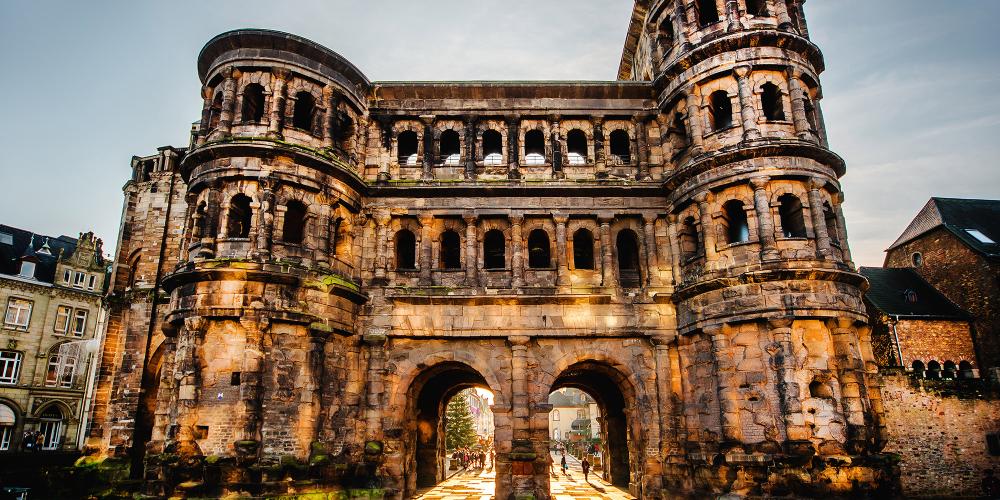
While the Roman Empire's impact on Eastern Europe is undeniable and well-documented, focusing solely on this influence risks overlooking the potentially profound and earlier contributions of the Dacian civilization. Nicolae Densusianu’s Prehistoric Dacia challenged this Roman-centric view, suggesting that the Dacians, long before their encounters with Rome, played a significant role in shaping the cultural and societal landscape of Eastern Europe. Could it be that their influence extended far beyond their immediate territory, leaving a lasting legacy on the peoples and cultures that followed?
Densusianu’s research painted a picture of a dynamic and influential Dacian civilization centered in the Carpathian region, a strategic crossroads connecting various ancient populations. He argued that their cultural reach extended across a vast area of Eastern Europe, impacting the development of neighboring tribes and laying foundations that would later interact with and, in some cases, persist alongside Roman influence.
One key aspect of this potential influence lies in language and onomastics. While the Dacian language itself is largely lost to time, Densusianu and subsequent researchers have explored possible linguistic connections and shared root words with other ancient languages of the Balkan and Eastern European regions. Traces of Dacian personal and place names might have been absorbed and adapted by later populations, leaving subtle linguistic footprints across the landscape.
Furthermore, the mythological and spiritual beliefs of the Dacians could have exerted a considerable influence on their neighbors. Shared deities, cosmological concepts, and ritual practices might have spread through trade, migration, and cultural exchange, leaving echoes in the folklore and traditions of various Eastern European peoples. Exploring these shared mythical threads can reveal a deeper layer of interconnectedness that predates Roman hegemony.
The material culture and technological advancements of the Dacians may have also disseminated across the region. Their skills in metalworking, pottery, and construction, evidenced by archaeological finds within their core territory, could have been adopted and adapted by neighboring communities. The transfer of such practical knowledge and artistic styles would have contributed to the broader cultural development of Eastern Europe.
It's important to approach this topic with nuance. The archaeological and historical evidence for direct Dacian influence across vast distances in Eastern Europe before Roman expansion can be challenging to definitively prove. However, Densusianu’s work encourages us to consider alternative scenarios and to look for more subtle forms of cultural transmission beyond direct political control.
The legacy of the Dacians in Eastern Europe might not be as overtly monumental as Roman ruins, but it could be woven into the very fabric of the region's cultural identity – in linguistic remnants, enduring folklore, and shared ancestral traditions. By looking beyond the dominant narrative of Roman influence, we open ourselves to a richer and more complex understanding of the forces that shaped Eastern Europe.
Here at Prehistoric Dacia, we are committed to exploring these often-overlooked connections. By delving into Densusianu’s insights and engaging with ongoing research in archaeology, linguistics, and folklore, we aim to illuminate the potential influence of the Dacian civilization on the broader Eastern European landscape. Join us as we venture beyond the well-trodden paths of Roman history and uncover the fascinating legacy of a civilization that may have played a more foundational role than we currently appreciate. The story of Eastern Europe is richer and more complex than often told, and the Dacians may hold a crucial key to unlocking its deeper chapters.
Latest Articles

Latest Updates in Online Courses and Education.
Nicolae Densusianu’s Prehistoric Dacia boldly proposed a revolutionary idea: that the ancient Dacian civilization played a far more foundational role...
Read MoreThe story of the Dacian Kingdom is one of dramatic ascent, formidable power, and eventual tragic fall. From scattered tribal...
Read MoreNicolae Densusianu’s Prehistoric Dacia may have been published over a century ago, but its echoes continue to resonate within modern...
Read MoreThe ancient world was a vibrant tapestry of diverse peoples, each with their own unique cultures and histories. Among the...
Read MoreTo truly grasp the story of ancient Dacia and its potential influence on European history, as championed by Nicolae Densusianu,...
Read MoreThe allure of the Mediterranean civilizations – the brilliance of ancient Greece, the might of Rome, the mysteries of Egypt...
Read MoreNicolae Densusianu’s Prehistoric Dacia, published in 1913, wasn't just a book; it was a seismic event in the landscape of...
Read MoreIn the grand narrative of European history, certain civilizations often take center stage, their contributions lauded and their legacies celebrated....
Read MoreExploring the Ancient World: Bible History & Archaeology
Uncover the people, places, and events that shaped biblical and ancient history.
Dive into a rich collection of resources on ancient civilizations, biblical archaeology, and historical contexts. From the empires of Babylon and Assyria to the life of Jesus and the early church, discover maps, timelines, commentaries, and scholarly insights that bring the ancient world to life. Explore the intersection of faith, history, and archaeology with our curated articles, maps, and studies.