The Dacians and the Mysterious Getae: Unraveling the Lost Tribes of Antiquity
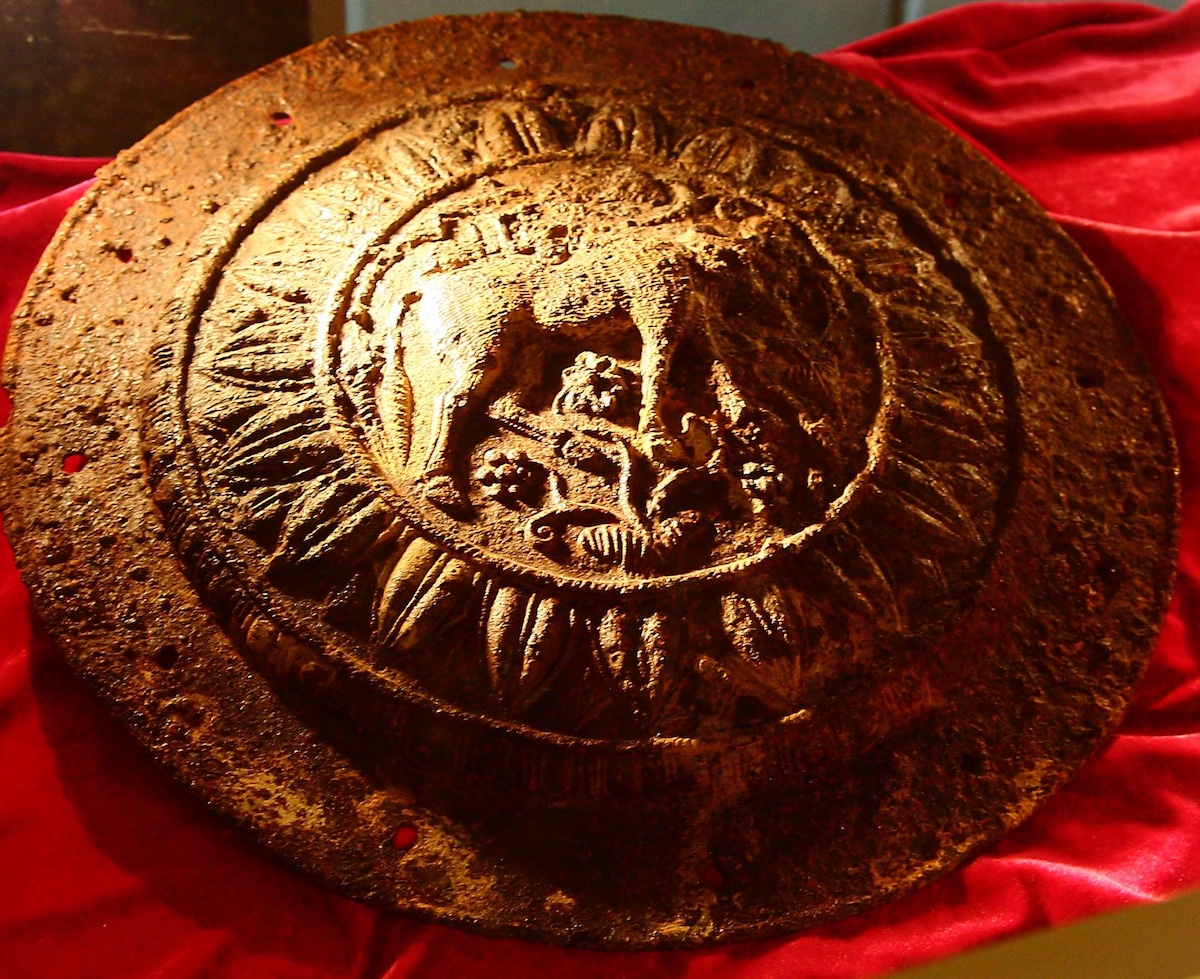
The ancient world was a vibrant tapestry of diverse peoples, each with their own unique cultures and histories. Among the tribes that inhabited the lands north of the Danube, the Dacians and the Getae stand out as particularly intriguing, often shrouded in a veil of mystery. Nicolae Densusianu, in Prehistoric Dacia, frequently intertwined these two names, suggesting a close relationship and a significant contribution to the ancient European landscape. But who exactly were the Getae, and how did they relate to the Dacians? Unraveling their connection is key to understanding the lost tribes of antiquity and their potential impact on European history.
Ancient writers, from Herodotus to Strabo, often referred to the Getae and the Dacians, sometimes seemingly interchangeably and at other times distinguishing between them. This has led to centuries of scholarly debate about their precise relationship. Were they two distinct tribes with a shared origin? Were the Getae a specific branch or subgroup of the broader Dacian population? Or did the names simply reflect geographical variations or different periods in their history?
Historical Accounts: A Tangled Web
- Herodotus, writing in the 5th century BCE, described the Getae as "the most valiant and the most just of all Thracians." He placed them south of the Danube, suggesting a distinct, yet related, Thracian identity.
- Strabo, writing much later in the Roman era, noted that the Dacians lived to the north of the Getae, but also stated that they spoke the same language. This observation has been a cornerstone of the argument for their close connection.
- Julius Caesar referred to the Dacians as posing a threat on the eastern border of Dacia, further suggesting a geographical distinction, at least in his time.
These fragmented accounts paint a complex picture, hinting at both shared cultural elements and potential geographical or political distinctions.
Densusianu's Perspective: A Unified Ancestry?
Nicolae Densusianu, drawing upon linguistic analysis, mythological parallels, and the accounts of ancient writers, often presented the Dacians and the Getae as essentially the same people, or at least as closely related branches of a larger ancestral group. He argued that the different names might have arisen due to geographical location or the perspective of the observers. The Greeks, for instance, might have primarily encountered the southern tribes (the Getae), while the Romans later became more familiar with those to the north (the Dacians).
Archaeological Insights: Shared Material Culture
Archaeological findings across the regions historically associated with both the Dacians and the Getae reveal significant similarities in material culture, particularly during the Iron Age. Similar burial practices, pottery styles, weaponry, and fortifications suggest a shared cultural heritage and close interaction. The impressive Geto-Dacian fortresses, such as those in the Orăștie Mountains, are found in areas attributed to both groups, further blurring the lines of distinction.
Unraveling the Mystery: Ongoing Research
The precise relationship between the Dacians and the Getae remains a subject of ongoing scholarly debate. Modern research utilizes a multidisciplinary approach, combining historical texts, linguistic analysis (of the limited surviving vocabulary and onomastics), and archaeological discoveries to shed further light on this enigma.
- Linguistic Studies: Analyzing potential cognates and loanwords between the Dacian language fragments and neighboring Thracian dialects might offer clues about their shared origins and evolution.
- Archaeological Excavations: Continued excavations and the application of advanced dating techniques can help to establish a clearer chronological and geographical distribution of material culture associated with both names.
- DNA Analysis: While still in its early stages, genetic studies of ancient remains from these regions might eventually provide insights into their population dynamics and potential ancestral links.
The Legacy of Lost Tribes
Understanding the relationship between the Dacians and the Getae is crucial for reconstructing the history of ancient Eastern Europe. These were not minor, isolated tribes, but significant populations who interacted with major powers like the Greeks and Romans and left their own indelible mark on the region. Densusianu's work reminds us to look beyond the dominant narratives and explore the complexities of these "lost tribes," whose influence may have been far more profound than traditionally acknowledged.
As we continue to explore the mysteries surrounding the Dacians and the Getae, we gain a deeper appreciation for the rich and intricate tapestry of ancient Europe. Their story serves as a compelling reminder that the past is full of nuances and that unraveling the connections between seemingly distinct peoples can unlock a more complete understanding of our shared human history. Join us as we delve further into the world of these fascinating and enigmatic tribes.
Latest Articles

Latest Updates in Online Courses and Education.
Nicolae Densusianu’s Prehistoric Dacia boldly proposed a revolutionary idea: that the ancient Dacian civilization played a far more foundational role...
Read MoreThe story of the Dacian Kingdom is one of dramatic ascent, formidable power, and eventual tragic fall. From scattered tribal...
Read MoreNicolae Densusianu’s Prehistoric Dacia may have been published over a century ago, but its echoes continue to resonate within modern...
Read MoreTo truly grasp the story of ancient Dacia and its potential influence on European history, as championed by Nicolae Densusianu,...
Read MoreWhile the Roman Empire's impact on Eastern Europe is undeniable and well-documented, focusing solely on this influence risks overlooking the...
Read MoreThe allure of the Mediterranean civilizations – the brilliance of ancient Greece, the might of Rome, the mysteries of Egypt...
Read MoreNicolae Densusianu’s Prehistoric Dacia, published in 1913, wasn't just a book; it was a seismic event in the landscape of...
Read MoreIn the grand narrative of European history, certain civilizations often take center stage, their contributions lauded and their legacies celebrated....
Read MoreExploring the Ancient World: Bible History & Archaeology
Uncover the people, places, and events that shaped biblical and ancient history.
Dive into a rich collection of resources on ancient civilizations, biblical archaeology, and historical contexts. From the empires of Babylon and Assyria to the life of Jesus and the early church, discover maps, timelines, commentaries, and scholarly insights that bring the ancient world to life. Explore the intersection of faith, history, and archaeology with our curated articles, maps, and studies.