How Dacians Contributed to the Foundations of European and Mediterranean Cultures
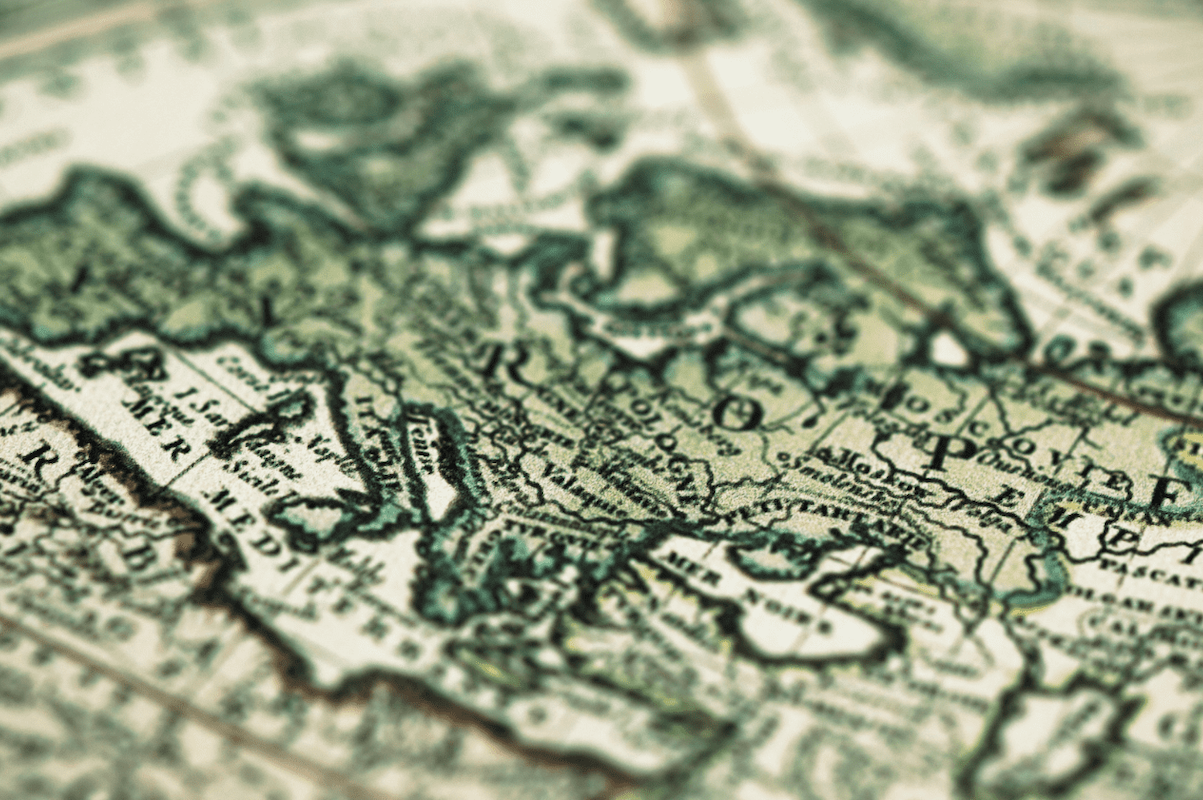
Nicolae Densusianu’s Prehistoric Dacia boldly proposed a revolutionary idea: that the ancient Dacian civilization played a far more foundational role in shaping the cultures of Europe and the Eastern Mediterranean than traditionally acknowledged. While the full extent of his claims continues to be debated and researched, exploring the potential contributions of the Dacians offers a fascinating and often overlooked perspective on the deep roots of European and Mediterranean heritage.
Moving beyond the conventional narrative that often centers solely on Greece and Rome, we can examine several avenues through which the Dacians might have contributed to the cultural bedrock of the continent and the Mediterranean basin:
1. Linguistic Crossroads and Potential Shared Roots:
Densusianu and other researchers have explored potential linguistic links between the Dacian language (albeit fragmented) and various Indo-European languages, including those of the Greeks, Romans, and other Balkan populations. While definitive proof remains elusive, the possibility of shared ancestral roots or significant language contact in prehistoric times suggests that the Dacian linguistic sphere could have contributed elements that subtly shaped the development of later languages in the region. Even if not direct parentage, early interactions and co-existence could have led to mutual influence in vocabulary and linguistic structures.
2. Mythological Echoes and Shared Archetypes:
The rich mythology of the ancient world reveals intriguing parallels across different cultures. Densusianu highlighted potential connections between Dacian deities, legends, and cosmological beliefs and those found in Greek, Roman, and even further Eastern traditions. Shared mythical archetypes, symbolic representations, and narrative structures could point to a common ancestral heritage or early cultural exchange where Dacian beliefs played a part in shaping broader mythological landscapes. The Carpathian region, a potential crossroads of migrations and cultural diffusion, could have served as a conduit for such shared narratives.
3. Technological and Crafting Traditions:
Archaeological evidence reveals that the Dacians were skilled in various crafts, including metalworking, pottery, and construction. Their impressive fortifications and sophisticated tools suggest a level of technological expertise. It is plausible that these skills and innovations, through trade and interaction with neighboring tribes and eventually with the expanding Mediterranean world, could have contributed to the broader pool of ancient knowledge and techniques. The exploitation of the rich natural resources of the Carpathian region might have fostered unique crafting traditions that were then disseminated.
4. Social Structures and Governance Models:
While our understanding of pre-Roman Dacian social structures is still evolving, the emergence of a unified kingdom under Burebista demonstrates a capacity for complex political organization. The models of governance, military organization, and societal hierarchy that developed within the Dacian sphere could have, in turn, influenced neighboring groups and contributed to the diverse tapestry of early European social and political development. The very act of resisting the Roman Empire under strong leadership like Decebalus left an enduring image of organized resistance that could have resonated with other populations.
5. Religious and Spiritual Practices:
The unique circular sanctuaries and enigmatic andesite pillars found at Sarmizegetusa Regia hint at a distinct Dacian spiritual tradition. While the specifics remain debated, the existence of a complex religious system suggests a unique contribution to the spiritual landscape of ancient Europe. Interactions with other cultures could have led to the exchange of religious ideas and practices, contributing to the diverse spiritual foundations of the continent.
Moving Beyond Roman-Centric Narratives:
It is crucial to acknowledge that definitively tracing the direct contributions of the Dacians to the foundations of European and Mediterranean cultures is a complex undertaking due to the limitations of the historical and archaeological record. However, by moving beyond purely Roman-centric narratives and considering the broader context of ancient interactions and cultural exchange, we can begin to appreciate the potential role of the Dacians in shaping the world that followed.
Densusianu’s work, while sometimes controversial, serves as a vital catalyst for this re-evaluation. It encourages us to ask new questions, explore alternative perspectives, and recognize the potential influence of civilizations that have often been relegated to the periphery of historical accounts. By continuing to research and analyze the linguistic, mythological, archaeological, and historical evidence, we can strive to uncover the often-hidden contributions of the Dacians and gain a richer, more nuanced understanding of the deep and interconnected roots of European and Mediterranean cultures. Their story, waiting to be fully told, may hold crucial keys to understanding our shared ancient heritage.
Latest Articles

Latest Updates in Online Courses and Education.
The story of the Dacian Kingdom is one of dramatic ascent, formidable power, and eventual tragic fall. From scattered tribal...
Read MoreNicolae Densusianu’s Prehistoric Dacia may have been published over a century ago, but its echoes continue to resonate within modern...
Read MoreThe ancient world was a vibrant tapestry of diverse peoples, each with their own unique cultures and histories. Among the...
Read MoreTo truly grasp the story of ancient Dacia and its potential influence on European history, as championed by Nicolae Densusianu,...
Read MoreWhile the Roman Empire's impact on Eastern Europe is undeniable and well-documented, focusing solely on this influence risks overlooking the...
Read MoreThe allure of the Mediterranean civilizations – the brilliance of ancient Greece, the might of Rome, the mysteries of Egypt...
Read MoreNicolae Densusianu’s Prehistoric Dacia, published in 1913, wasn't just a book; it was a seismic event in the landscape of...
Read MoreIn the grand narrative of European history, certain civilizations often take center stage, their contributions lauded and their legacies celebrated....
Read MoreExploring the Ancient World: Bible History & Archaeology
Uncover the people, places, and events that shaped biblical and ancient history.
Dive into a rich collection of resources on ancient civilizations, biblical archaeology, and historical contexts. From the empires of Babylon and Assyria to the life of Jesus and the early church, discover maps, timelines, commentaries, and scholarly insights that bring the ancient world to life. Explore the intersection of faith, history, and archaeology with our curated articles, maps, and studies.