Exploring Ancient Dacia: Key Archaeological Sites and Their Historical Significance
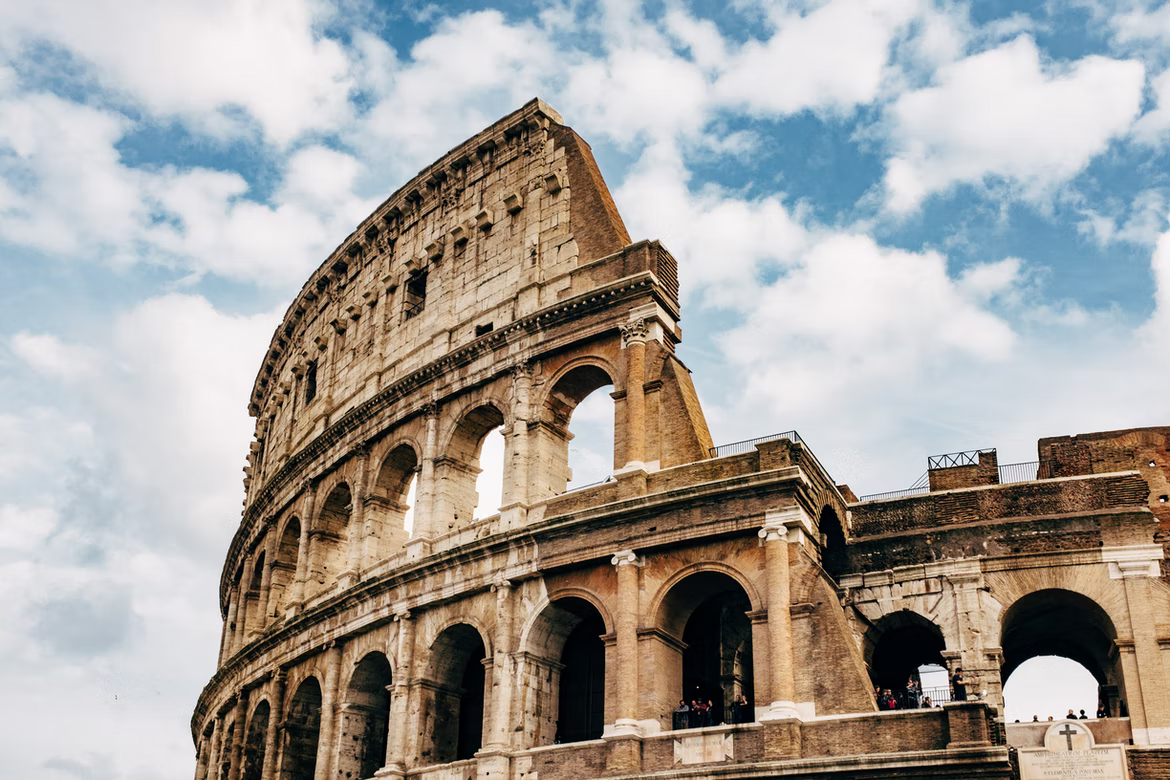
To truly grasp the story of ancient Dacia and its potential influence on European history, as championed by Nicolae Densusianu, we must journey to the land itself and explore the tangible remnants of this fascinating civilization. While Prehistoric Dacia drew heavily on linguistic and mythological analysis, the archaeological sites scattered across the historical Dacian territory offer invaluable insights into their society, culture, and technological prowess. Join us as we explore some key archaeological sites and delve into their profound historical significance.
Sarmizegetusa Regia: The Royal Heart of Dacia
Undoubtedly the most iconic Dacian site, Sarmizegetusa Regia, nestled in the Orăștie Mountains of modern-day Romania, served as the political, religious, and spiritual center of the Dacian kingdom during its zenith. This sprawling complex, strategically located and fortified, reveals a sophisticated understanding of architecture, urban planning, and religious practices.
- The Sacred Area: The circular and rectangular sanctuaries, with their enigmatic andesite pillars, stand as powerful testaments to the unique Dacian religious beliefs, potentially holding clues to the cosmological views that Densusianu explored in his work.
- The Fortifications: The impressive defensive walls and towers showcase the Dacians' advanced engineering skills and their need to protect their vital center.
- The Civilian Quarter: Evidence of dwellings, workshops, and water management systems highlights a well-organized and thriving urban center.
Sarmizegetusa Regia provides a tangible link to the powerful Dacian kingdom that challenged the Roman Empire and offers a glimpse into the heart of the civilization that Densusianu believed held significant influence in ancient Europe.
The Dacian Fortresses of the Orăștie Mountains: A Defensive Network
Surrounding Sarmizegetusa Regia are several other strategically positioned Dacian fortresses, including Costești-Cetățuie, Costești-Dealul Grecii, Blidaru, Piatra Roșie, and Căpâlna. These fortifications, now UNESCO World Heritage sites, formed a sophisticated defensive system that protected the Dacian heartland.
- Military Architecture: Their unique construction techniques, blending local materials with advanced engineering principles, demonstrate the Dacians' military capabilities and their determination to safeguard their territory.
- Strategic Importance: The location of these fortresses highlights the Dacians' understanding of the terrain and their ability to create a formidable defensive network.
These fortresses stand as silent witnesses to the Dacian resistance against Roman expansion and underscore the strength and organization of the civilization that Densusianu championed.
Other Significant Sites:
Beyond the Orăștie Mountains, numerous other archaeological sites across Romania and neighboring countries offer further insights into Dacian life and culture:
- Histria and Callatis (on the Black Sea coast): These ancient Greek colonies, while not strictly Dacian, provide evidence of interaction and trade between the Dacians and the Mediterranean world, potentially supporting Densusianu's theories of cultural exchange.
- Apulum (modern-day Alba Iulia): Initially a Dacian center, it later became a significant Roman city, showcasing the layers of history and the transformation of the region.
- Pecica (Western Romania): This site reveals evidence of earlier Dacian settlements and their connections to other Bronze and Iron Age cultures in the region.
Unearthing the Past, Illuminating the Future of Understanding
Exploring these archaeological sites allows us to move beyond textual analysis and connect with the physical remnants of ancient Dacia. The fortifications, sanctuaries, settlements, and artifacts unearthed at these locations provide crucial evidence for understanding Dacian society, their technological advancements, their religious beliefs, and their interactions with neighboring cultures.
As archaeological research continues, new discoveries are constantly adding to our understanding of ancient Dacia. These findings have the potential to further illuminate the connections that Nicolae Densusianu proposed and to provide a more complete picture of the Dacians' role in the broader context of ancient European history.
Join us on Prehistoric Dacia as we continue to explore these fascinating archaeological sites and delve into the tangible evidence that helps us unravel the secrets of this influential, yet often overlooked, ancient civilization. The stones themselves hold stories waiting to be told, stories that may reshape our understanding of the roots of European culture.
Latest Articles


Latest Updates in Online Courses and Education.
Nicolae Densusianu’s Prehistoric Dacia boldly proposed a revolutionary idea: that the ancient Dacian civilization played a far more foundational role...
Read MoreThe story of the Dacian Kingdom is one of dramatic ascent, formidable power, and eventual tragic fall. From scattered tribal...
Read MoreNicolae Densusianu’s Prehistoric Dacia may have been published over a century ago, but its echoes continue to resonate within modern...
Read MoreThe ancient world was a vibrant tapestry of diverse peoples, each with their own unique cultures and histories. Among the...
Read MoreWhile the Roman Empire's impact on Eastern Europe is undeniable and well-documented, focusing solely on this influence risks overlooking the...
Read MoreThe allure of the Mediterranean civilizations – the brilliance of ancient Greece, the might of Rome, the mysteries of Egypt...
Read MoreNicolae Densusianu’s Prehistoric Dacia, published in 1913, wasn't just a book; it was a seismic event in the landscape of...
Read MoreIn the grand narrative of European history, certain civilizations often take center stage, their contributions lauded and their legacies celebrated....
Read MoreExploring the Ancient World: Bible History & Archaeology
Uncover the people, places, and events that shaped biblical and ancient history.
Dive into a rich collection of resources on ancient civilizations, biblical archaeology, and historical contexts. From the empires of Babylon and Assyria to the life of Jesus and the early church, discover maps, timelines, commentaries, and scholarly insights that bring the ancient world to life. Explore the intersection of faith, history, and archaeology with our curated articles, maps, and studies.