The Rise and Fall of the Dacian Kingdom: A Timeline of Ancient Power
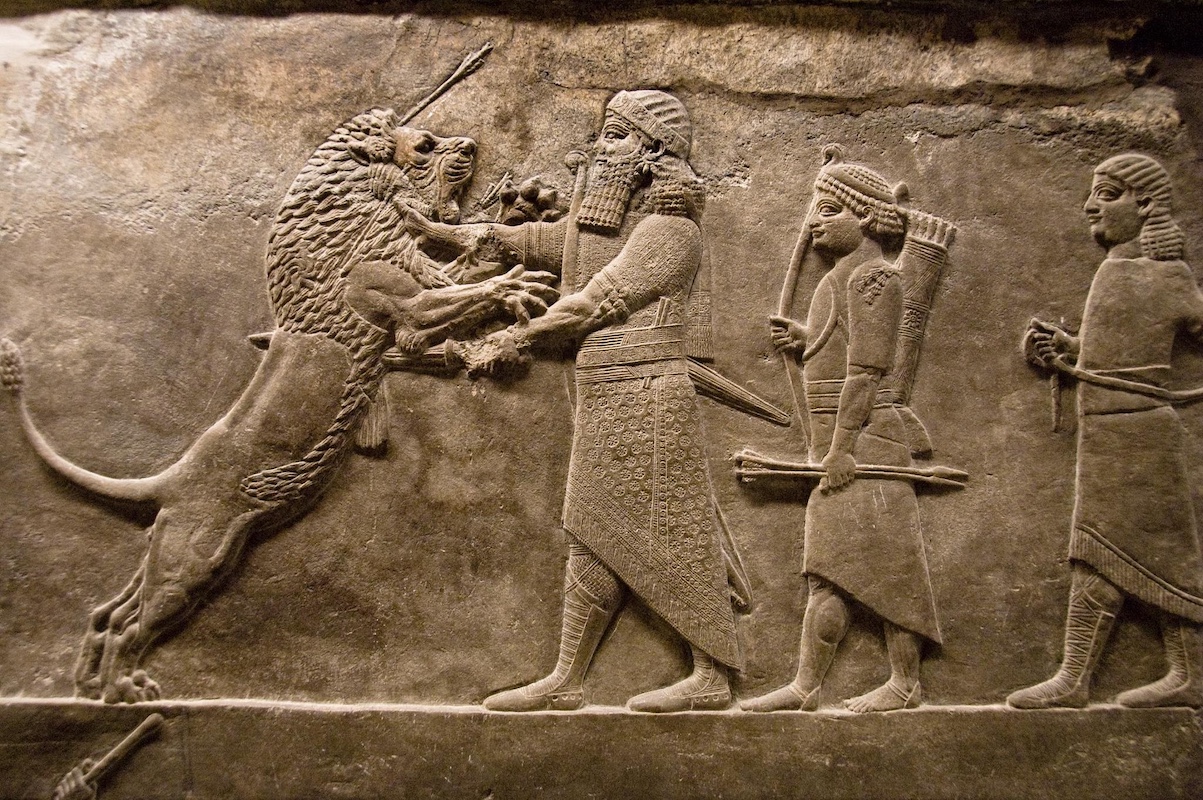
The story of the Dacian Kingdom is one of dramatic ascent, formidable power, and eventual tragic fall. From scattered tribal entities to a unified force that challenged the mighty Roman Empire, their history is a compelling narrative of ambition, resilience, and ultimately, conquest. Nicolae Densusianu’s Prehistoric Dacia hinted at a long and influential pre-Roman Dacian presence, and while the exact timeline of this earlier period remains debated, the emergence and subsequent fate of the Dacian Kingdom in the centuries leading up to and during the Roman era are more clearly defined through historical and archaeological evidence. Join us as we trace the key milestones in the rise and fall of this significant ancient power.
Early Foundations (c. 7th - 2nd Centuries BCE):
- Emergence of Geto-Dacian Culture: Archaeological evidence suggests the consolidation of a distinct Geto-Dacian culture in the Carpathian region, characterized by unique burial practices, pottery styles, and metalworking. These tribes, often mentioned separately by early Greek historians, shared linguistic and cultural traits, laying the groundwork for future unification.
- Interactions with Hellenistic World: The Dacian territories bordered Greek colonies on the Black Sea coast. Trade and cultural exchange occurred, exposing the Dacians to Hellenistic influences, which would later be reflected in their art and societal organization.
- Growing Military Strength: Accounts of Dacian involvement in regional conflicts indicate a developing military capacity and increasing political organization among certain tribal groups.
The Rise of a Unified Kingdom (c. 1st Century BCE):
- Burebista (c. 82 - 44 BCE): A pivotal figure in Dacian history, Burebista unified the disparate Geto-Dacian tribes into a powerful and expansive kingdom. His military prowess led to the subjugation of neighboring peoples and even posed a threat to Roman interests in the Balkans.
- Expansion and Consolidation: Burebista’s kingdom stretched from the Middle Danube to the Black Sea, encompassing a vast territory and controlling important trade routes. He implemented administrative and military reforms to strengthen his rule.
- Clash with Rome: Burebista’s growing power and influence inevitably brought him into conflict with Rome. However, Julius Caesar’s assassination in 44 BCE averted a major confrontation.
- Fragmentation After Burebista: Following Burebista’s assassination, the Dacian kingdom fractured into smaller, less powerful entities, making them more vulnerable to external pressures.
Renewed Strength and Conflict with Rome (c. 1st Century CE):
- Reunification Efforts: Over the next century, various Dacian leaders attempted to reunify the kingdom, with varying degrees of success.
- Increasing Roman Influence: The Roman Empire continued to expand its presence in the Balkans, leading to increased interactions and skirmishes with the Dacian tribes.
- Decebalus (c. 87 - 106 CE): Decebalus emerged as a strong and astute Dacian king who once again unified a significant portion of Dacia and posed a formidable challenge to Rome. He initially defeated Roman armies, forcing Emperor Domitian to negotiate an unfavorable peace treaty.
The Dacian Wars and the Fall of the Kingdom (101 - 106 CE):
- Trajan's Campaigns (101-102 CE and 105-106 CE): Recognizing the ongoing threat and the rich resources of Dacia, Emperor Trajan launched two major military campaigns against Decebalus. These wars were meticulously planned and fiercely fought.
- Roman Military Superiority: Despite the Dacians' bravery and strategic defenses (as evidenced by the impressive fortifications like Sarmizegetusa Regia), the superior organization, technology, and manpower of the Roman legions ultimately prevailed.
- The Death of Decebalus: Faced with inevitable defeat, Decebalus took his own life to avoid capture.
- Roman Conquest and the Province of Dacia: Following their victory, the Romans destroyed the Dacian fortresses, including Sarmizegetusa Regia, and transformed a significant portion of the Dacian kingdom into the Roman province of Dacia. This marked the end of the independent Dacian Kingdom.
Legacy and Transformation:
- Romanization: The Roman province of Dacia became a melting pot of cultures, with Roman settlers, language, and customs significantly influencing the region.
- Dacian Survival and Assimilation: While the Dacian aristocracy was largely eliminated, the indigenous Dacian population persisted, gradually assimilating into the Roman cultural sphere while likely retaining elements of their own traditions.
- Enduring Influence: The legacy of the Dacian Kingdom, though ultimately overshadowed by Roman rule, remains a crucial part of the history of Eastern Europe, hinting at a powerful and complex civilization that once held sway over a vast territory.
The rise and fall of the Dacian Kingdom is a testament to the dynamic power struggles of the ancient world. From its tribal origins to its confrontation with one of history's greatest empires, the story of the Dacians offers a fascinating glimpse into a civilization that, for a time, stood as a significant force in the European landscape. Exploring this timeline allows us to appreciate the ambition, resilience, and ultimate tragedy of this once-powerful kingdom.
Latest Articles

Latest Updates in Online Courses and Education.
Nicolae Densusianu’s Prehistoric Dacia boldly proposed a revolutionary idea: that the ancient Dacian civilization played a far more foundational role...
Read MoreNicolae Densusianu’s Prehistoric Dacia may have been published over a century ago, but its echoes continue to resonate within modern...
Read MoreThe ancient world was a vibrant tapestry of diverse peoples, each with their own unique cultures and histories. Among the...
Read MoreTo truly grasp the story of ancient Dacia and its potential influence on European history, as championed by Nicolae Densusianu,...
Read MoreWhile the Roman Empire's impact on Eastern Europe is undeniable and well-documented, focusing solely on this influence risks overlooking the...
Read MoreThe allure of the Mediterranean civilizations – the brilliance of ancient Greece, the might of Rome, the mysteries of Egypt...
Read MoreNicolae Densusianu’s Prehistoric Dacia, published in 1913, wasn't just a book; it was a seismic event in the landscape of...
Read MoreIn the grand narrative of European history, certain civilizations often take center stage, their contributions lauded and their legacies celebrated....
Read MoreExploring the Ancient World: Bible History & Archaeology
Uncover the people, places, and events that shaped biblical and ancient history.
Dive into a rich collection of resources on ancient civilizations, biblical archaeology, and historical contexts. From the empires of Babylon and Assyria to the life of Jesus and the early church, discover maps, timelines, commentaries, and scholarly insights that bring the ancient world to life. Explore the intersection of faith, history, and archaeology with our curated articles, maps, and studies.